
For people who genuinely enjoy cooking, the kitchen becomes much more than a place to prepare meals. It turns into a creative workspace where recipes are tested, ingredients are explored, and family traditions are built over time. A well-designed kitchen allows food lovers to move comfortably between tasks, handle large meal preparations, and enjoy the entire cooking process from start to finish. When the environment supports efficiency and organization, cooking becomes less stressful and far more rewarding.
Many homeowners focus primarily on aesthetics when planning a kitchen upgrade. Cabinets, backsplashes, and appliances certainly influence how the space looks, but the most successful kitchens also prioritize durability and functionality. Food enthusiasts often cook frequently, use a variety of tools, and require space for multiple preparation tasks at once. A kitchen designed to handle that level of activity must include resilient materials and reliable systems that support daily use.
Infrastructure also plays a crucial role in how smoothly a kitchen operates. Plumbing, electrical capacity, ventilation, and workspace layout all contribute to the overall performance of the room. When these elements are carefully planned, the kitchen becomes easier to maintain and more efficient for preparing meals. Poor planning, on the other hand, can lead to frustrations like limited workspace, weak ventilation, or plumbing problems that interrupt the cooking process.
Choosing Durable Countertops for Heavy Cooking

Countertops serve as the central workspace in any kitchen. For homeowners who cook regularly, these surfaces must withstand constant chopping, mixing, kneading, and plating. Durability becomes a top priority because countertops experience daily wear from heavy cookware, sharp utensils, and exposure to heat and moisture.
Natural stone is often considered one of the best options for busy kitchens. A granite counter installation provides a surface that is highly resistant to heat and scratching. Granite’s density allows it to withstand the demands of frequent cooking while maintaining its polished appearance. This combination of durability and style makes it particularly popular among serious home cooks.
Another advantage of granite is its unique visual character. Each slab features natural patterns and color variations that give the kitchen a distinctive look. These details add visual depth while still offering the strength required for everyday use. With proper sealing and maintenance, granite countertops can last for decades without losing their structural integrity.
Large countertop surfaces also support better cooking efficiency. Home chefs benefit from having room to organize ingredients, set up appliances, and work on multiple tasks simultaneously. Spacious counters reduce clutter and make complex meal preparation more manageable.
By investing in durable countertop materials, homeowners create a kitchen workspace capable of supporting years of cooking. Strong surfaces allow food lovers to focus on creativity and technique rather than worrying about damaging their preparation areas.
Selecting Flooring That Handles Spills and Foot Traffic
Kitchen floors endure more stress than most other surfaces in the home. Cooking often involves constant movement between appliances, counters, and storage areas. In addition to heavy foot traffic, kitchen floors must handle spilled liquids, dropped ingredients, and occasional impacts from cookware. Choosing flooring designed to withstand these conditions is essential for maintaining both safety and appearance.
Tile remains one of the most practical flooring options for kitchens. Working with professional tile flooring contractors ensures that the flooring is installed correctly, creating a stable and long-lasting foundation. Proper installation helps prevent cracks, uneven surfaces, and moisture damage that could occur over time.
Tile offers several advantages that make it ideal for active cooking environments. It resists water, stains, and scratches better than many alternative flooring materials. These qualities allow homeowners to clean spills quickly without worrying about long-term damage.
Another important benefit is slip resistance. Many tile finishes provide enough texture to help prevent accidents, especially when water or oil reaches the floor. This feature improves kitchen safety while maintaining a clean and polished appearance.
Expanding Prep Space for Serious Meal Preparation
A common frustration in many kitchens is limited workspace. Food lovers often prepare multiple dishes at once, requiring space for chopping, mixing, plating, and organizing ingredients. Without enough counter area, cooking becomes crowded and inefficient. Expanding preparation surfaces can significantly improve how the kitchen functions.
Strategic kitchen counter installations allow homeowners to create additional work zones throughout the kitchen. These surfaces can be placed along walls, incorporated into islands, or extended from existing cabinetry. Each new workspace adds flexibility, allowing cooks to separate tasks and maintain better organization.
Kitchen islands are particularly valuable for expanding prep space. They provide a central area where ingredients can be assembled, meals plated, or appliances used without interfering with other workstations. Islands also encourage social interaction, allowing guests or family members to gather while meals are being prepared.
Additional counters can also support specialty cooking tasks. Baking enthusiasts, for example, benefit from having designated surfaces for rolling dough or decorating pastries. These dedicated areas prevent cross-contamination between tasks and help keep the kitchen organized.
When the kitchen includes ample workspace, cooking becomes more efficient and enjoyable. Home chefs can focus on creativity and technique without constantly rearranging ingredients to make room for new tasks.
Keeping Kitchen Plumbing Flowing Smoothly
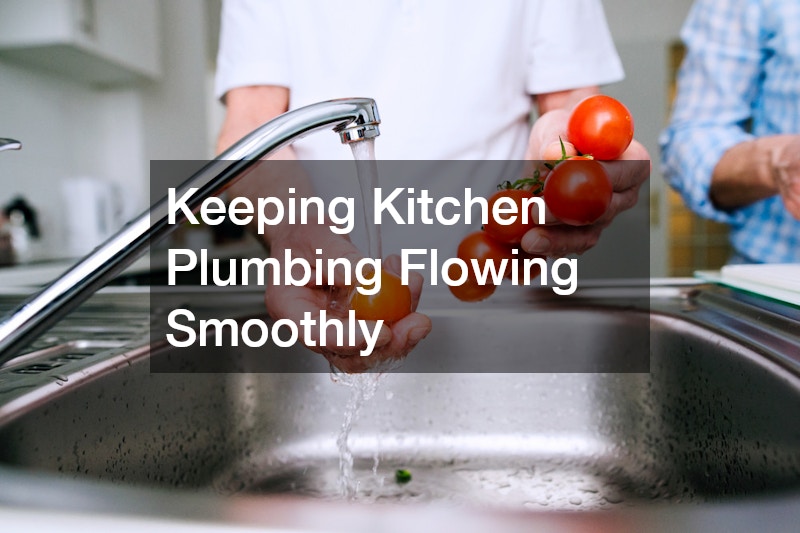
Kitchen plumbing works hard behind the scenes to support daily cooking activities. Washing produce, rinsing dishes, and cleaning cookware all rely on a steady flow of water through the sink and drainage system. Over time, however, food particles and grease can accumulate in pipes and restrict water flow.
Routine drain cleaning helps prevent these issues before they become serious problems. Professional cleaning services remove buildup that cannot be cleared with simple household solutions. By maintaining clear pipes, homeowners reduce the risk of slow drains, unpleasant odors, and unexpected backups.
Proper drainage is especially important for households that cook frequently. Large meal preparations often generate significant amounts of food debris and grease residue. Without regular maintenance, these materials can settle inside plumbing lines and create blockages.
Preventative maintenance also helps extend the lifespan of plumbing systems. Clean pipes allow water to flow freely, reducing pressure on joints and fittings. This lowers the likelihood of leaks or corrosion developing over time.
Maintaining healthy plumbing ensures that the kitchen remains efficient and hygienic. When water drains properly and pipes stay clear, cooks can complete preparation and cleanup tasks without interruption.
Ensuring Reliable Hot Water for Cooking and Cleanup
Hot water plays an essential role in maintaining a functional kitchen. It is necessary for washing dishes, cleaning cooking tools, sanitizing surfaces, and preparing certain ingredients. Without reliable hot water, routine kitchen tasks quickly become inconvenient.
Regular maintenance and timely water heater repair ensure that the hot water supply remains dependable. Addressing small issues early prevents larger mechanical failures that could interrupt daily cooking routines. A properly functioning water heater also maintains consistent temperatures that support effective cleaning.
Food lovers often rely heavily on hot water during meal preparation. Large pots, baking sheets, and mixing bowls require thorough washing after use. When hot water runs out quickly or fluctuates in temperature, cleaning becomes more difficult and time-consuming.
Energy efficiency is another advantage of maintaining a healthy water heating system. Well-maintained equipment operates more efficiently, reducing energy waste while still delivering consistent performance. This benefits both the kitchen’s functionality and the household’s energy costs.
Reliable hot water allows cooks to move smoothly between preparation and cleanup tasks. With a dependable system in place, the kitchen remains ready for daily cooking and larger culinary projects.
Managing Oils and Food Waste Safely
Cooking frequently produces oils, fats, and food residue that must be disposed of properly. Pouring grease directly into the sink can lead to severe plumbing problems over time. As oils cool, they solidify and attach to pipe walls, gradually restricting water flow.
Installing grease traps provides an effective solution for managing cooking waste. These devices capture fats and oils before they enter the plumbing system. By separating grease from wastewater, traps prevent buildup that could eventually cause blockages.
Grease traps are especially useful for households that enjoy frying foods or preparing rich dishes. These cooking methods produce higher amounts of oil that can easily damage plumbing if not handled correctly. A proper waste management system protects both pipes and drainage systems.
In addition to preventing clogs, grease traps also contribute to improved kitchen hygiene. By keeping grease out of pipes, they reduce the chances of foul odors developing within the drainage system. This helps maintain a cleaner and more pleasant cooking environment.
Managing food waste responsibly is an important part of maintaining a high-performance kitchen. With the right systems in place, homeowners can cook freely without worrying about long-term plumbing damage.
Planning Safe and Efficient Electrical Systems

Modern kitchens rely heavily on electricity to power appliances and lighting. Refrigerators, ovens, mixers, and dishwashers all require reliable electrical connections. A well-designed electrical system ensures that these devices operate safely and efficiently.
Working with a qualified electrician allows homeowners to plan circuits that meet the demands of a busy kitchen. Professionals can determine the proper placement of outlets, ensuring that appliances have convenient and safe access to power. Proper circuit distribution also prevents overloads that could trip breakers or create safety hazards.
Lighting design is another critical part of electrical planning. Bright task lighting above countertops and cooking areas improves visibility during meal preparation. Ambient lighting throughout the room creates a welcoming atmosphere while still supporting functionality.
Future expansion should also be considered when planning electrical infrastructure. New appliances or cooking technologies may require additional outlets or higher power capacity. Designing flexible electrical systems makes it easier to adapt the kitchen over time.
By investing in proper electrical planning, homeowners ensure their kitchen remains safe, efficient, and ready for any cooking project.
Transforming Layouts to Support Cooking Workflows
The layout of a kitchen strongly influences how easy it is to cook efficiently. When work areas are poorly arranged, even simple tasks can become inconvenient. A thoughtful layout helps streamline movement between preparation, cooking, and cleaning areas.
Professional kitchen remodelers often focus on improving the relationship between key kitchen elements such as the stove, sink, and refrigerator. This arrangement, commonly known as the work triangle, reduces unnecessary steps during meal preparation. Efficient positioning allows cooks to move quickly between stations.
Remodeling can also introduce features that improve organization. Larger islands, expanded cabinetry, and pull-out storage solutions create a more structured workspace. These additions help keep cooking tools and ingredients within easy reach.
An improved layout also makes the kitchen more comfortable for multiple people. Families or guests can assist with cooking without interfering with the primary work zones. This collaborative environment makes the kitchen a more social and enjoyable place.
When layout decisions support natural cooking workflows, the kitchen becomes easier to use. Food lovers can focus on preparing meals instead of navigating around awkward design limitations.
Maintaining Clean Air While Cooking
Cooking generates heat, steam, smoke, and grease particles that circulate through the kitchen. Without proper ventilation, these particles settle on surfaces and affect indoor air quality. A well-maintained ventilation system helps keep the kitchen clean and comfortable.
Regular kitchen hood cleaning is essential for maintaining effective airflow. Grease buildup inside ventilation hoods can reduce their ability to capture smoke and odors. Over time, this buildup can also affect the performance of the ventilation system.
Cleaning the hood and ductwork ensures that air moves freely through the system. This helps remove cooking byproducts before they spread throughout the home. Proper ventilation also prevents grease from accumulating on cabinets and ceilings.
Good airflow makes extended cooking sessions more comfortable. Removing excess heat and steam helps regulate the kitchen’s temperature. This allows cooks to work more efficiently without feeling overheated.
Maintaining clean ventilation systems protects both the kitchen environment and the overall comfort of the home. Fresh air circulation helps create a healthier and more enjoyable cooking space.
Designing a Kitchen That Fits the Entire Home
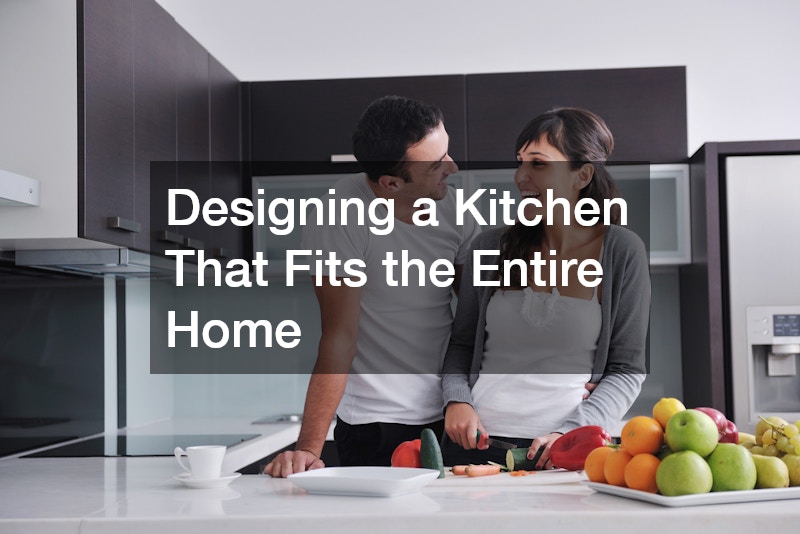
A kitchen should function as part of the overall home design rather than feeling like an isolated workspace. When the kitchen connects naturally with surrounding rooms, it becomes a welcoming area where family and guests gather.
Working with a custom home builder allows homeowners to integrate the kitchen into the home’s architectural layout. Builders consider structural details, traffic flow, and lighting when designing spaces that feel cohesive. This approach ensures the kitchen complements nearby dining and living areas.
Open floor plans often enhance this connection by allowing natural light to move freely through multiple rooms. Larger windows and thoughtful ceiling designs can also improve the sense of openness within the kitchen.
Storage solutions can also reflect the broader design of the home. Cabinet styles, finishes, and hardware can match architectural details throughout the house. This creates visual continuity while maintaining practical storage for cooking tools.
When the kitchen is thoughtfully integrated into the overall home design, it becomes a central gathering place. Food preparation, conversation, and entertainment naturally come together in a space that feels both functional and inviting.
Creating the ultimate kitchen for food lovers requires thoughtful planning, durable materials, and reliable infrastructure. While design trends may influence the appearance of a kitchen, long-term functionality depends on the systems and materials working behind the scenes. A well-built kitchen allows passionate home cooks to prepare meals efficiently while enjoying the process.
Durable countertops provide the foundation for heavy cooking tasks, while resilient flooring protects against spills and constant movement. Expanding preparation areas ensures that multiple tasks can happen at once without overcrowding the workspace. These features create a kitchen that supports creativity rather than limiting it.
Equally important are the systems that keep the kitchen running smoothly. Plumbing maintenance, reliable hot water, and proper grease management protect essential infrastructure from damage. Electrical planning ensures appliances operate safely, while thoughtful layouts make it easier to move between tasks.
Ventilation and air quality also contribute to the overall cooking experience. Clean airflow helps maintain a comfortable environment while preventing grease buildup and lingering odors. These details may not always be visible, but they significantly influence how the kitchen feels during daily use.
Integrating the kitchen into the broader design of the home creates a welcoming environment for both cooking and gathering. When layout, materials, and structure work together, the kitchen becomes a natural centerpiece of the household.